

What Is Aluminium Casting?
What Is Aluminium Casting? – Maraton Dokum Ankara
CASTING TECHNOLOGY
Definition of Casting, Advantages and Disadvantages
Definition: Pouring molten liquid metal or alloy into a cavity that is the negative of the part to be produced, and by solidifying it, obtaining the shape we want — this method is called casting. Advantages of the casting method over other manufacturing methods: The limits of the method are very wide, and there are various techniques suitable both for very small parts and for large parts weighing tonnes. Production of very complex shaped and hollow parts is possible. Casting of almost all metal alloys is possible. Some materials (cast iron) can only be obtained by casting. Casting methods suitable for mass production have been developed.
Limits of the casting method: Obtaining very thin sections is difficult. It is generally not economical for producing a small number of parts. The same material obtained by plastic deformation methods (forging) is generally superior in terms of strength. Generally, achieving precise dimensional tolerances and good surface quality is difficult. It is not an environmentally friendly manufacturing method. Sand Mould Casting is the most widely used technique in casting iron, steel or non-ferrous metals. It is easy to apply to parts of very different sizes. Moulding cost is low. Silica sand, which has refractory properties, is used as the mould material.
Stages of Sand Mould Casting:
Pattern Making
Core Making
Moulding
Melting and Pouring
http://sermaksan.tr/


Related Posts
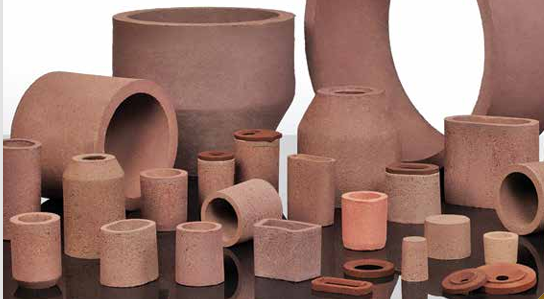
In aluminium sand casting technologies, one of the...
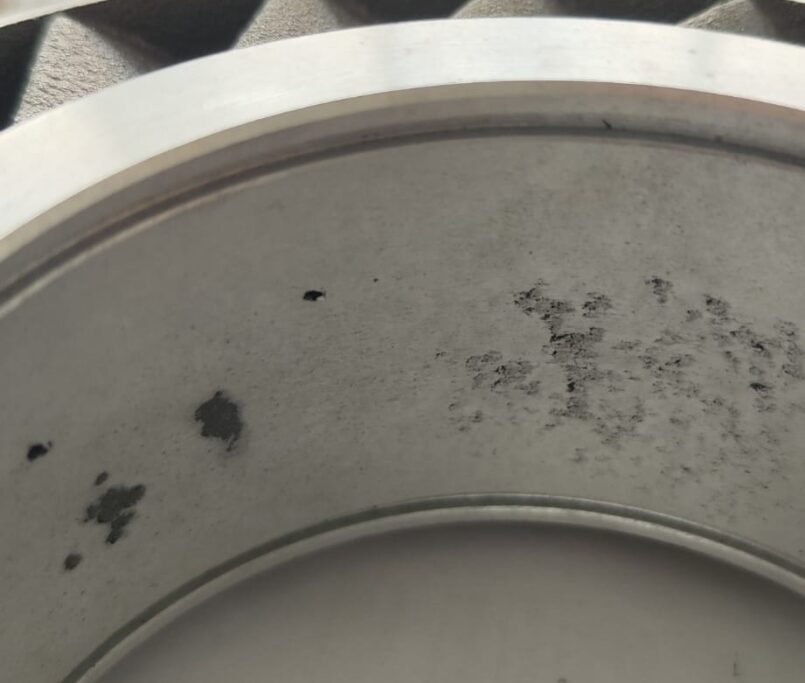
In aluminium casting technologies, porosity (void structure) is...